понеділок, 24 серпня 2026 р.

Jak wykorzystać monitoring aktywności podczas pracy siedzącej


Praca siedząca stała się nieodłącznym elementem wielu zawodów, jednak długotrwały brak ruchu niesie ze sobą poważne konsekwencje zdrowotne. W tym kontekście, jak wykorzystać monitoring aktywności podczas pracy siedzącej, staje się kluczowym pytaniem dla osób pragnących zadbać o swoje samopoczucie i efektywność. Dzięki nowoczesnym technologiom możliwe jest nie tylko śledzenie aktywności, ale także wprowadzanie świadomych zmian w codziennych nawykach.

Monitoring aktywności oferuje narzędzia, które pomagają zrozumieć, jak często i jak długo pozostajemy w bezruchu, a także kiedy warto zrobić przerwę na ruch. Ten artykuł przedstawi kompleksowe podejście od podstawowych zasad do zaawansowanych strategii wykorzystania monitoringu, aby poprawić komfort i zdrowie osób pracujących przy biurku. Poznasz praktyczne metody i przykłady, które pozwolą efektywnie korzystać z dostępnych rozwiązań.


Podstawy monitoringu aktywności w pracy siedzącej

Co to jest monitoring aktywności i jak działa?

Monitoring aktywności to proces ciągłego zbierania i analizowania danych dotyczących ruchu oraz pozycji ciała użytkownika. Podczas pracy siedzącej urządzenia takie jak opaski fitness czy smartwatche wykorzystują czujniki biometryczne do rejestrowania parametrów fizjologicznych oraz ruchu. To umożliwia ocenę czasu spędzonego w bezruchu i identyfikację momentów, w których warto wprowadzić aktywne przerwy.

Urządzenia monitorujące często wyposażone są w funkcje przypominające o konieczności zmiany pozycji lub wykonania ćwiczeń rozciągających. Dzięki temu użytkownik może skuteczniej zapobiegać negatywnym skutkom siedzącego trybu pracy, takim jak ból pleców czy obniżona wydajność. Warto zauważyć, że technologia ta stale się rozwija, oferując coraz bardziej precyzyjne dane i spersonalizowane rekomendacje.


Technologie stosowane w monitoringu pracy siedzącej

Do monitoringu aktywności wykorzystuje się różnorodne technologie, w tym akcelerometry, żyroskopy oraz czujniki tętna. Połączenie tych narzędzi pozwala na dokładne śledzenie ruchów ciała oraz parametrów zdrowotnych, co jest szczególnie istotne podczas długotrwałego siedzenia. Dzięki nim można uzyskać kompleksowy obraz aktywności fizycznej oraz jakości regeneracji organizmu.

Nowoczesne urządzenia integrują się z aplikacjami mobilnymi, co ułatwia analizę danych i śledzenie postępów. Przykłady takich rozwiązań można znaleźć w link, gdzie opisano szczegółowo działanie monitorów aktywności w kontekście sportowym i codziennym. To pozwala użytkownikom na świadome zarządzanie swoim czasem pracy i odpoczynku.


Dlaczego monitoring jest ważny podczas pracy siedzącej?

Długie godziny spędzone w pozycji siedzącej zwiększają ryzyko problemów zdrowotnych, takich jak choroby serca, zaburzenia krążenia czy problemy z kręgosłupem. Monitoring aktywności pozwala na bieżąco kontrolować, jak często wykonujemy ruch i czy stosujemy odpowiednie przerwy. To pierwszy krok do zmiany nawyków i poprawy ogólnej kondycji organizmu.

Regularne przypomnienia o aktywności pomagają przełamać statyczny tryb pracy, co przekłada się na lepsze samopoczucie i zwiększoną produktywność. Warto podkreślić, że efektywne wykorzystanie monitoringu wymaga nie tylko technologii, lecz także świadomości i dyscypliny użytkownika.


Jak wykorzystać monitoring aktywności podczas pracy siedzącej w praktyce

Ustawienia i personalizacja urządzeń monitorujących

Aby w pełni wykorzystać możliwości monitoringu, warto zacząć od dostosowania ustawień urządzenia do indywidualnych potrzeb. Należy uwzględnić swój plan dnia, rodzaj wykonywanej pracy oraz preferencje dotyczące częstotliwości przypomnień. Personalizacja pozwala na otrzymywanie trafnych sygnałów, które nie będą zakłócać koncentracji, a jednocześnie skutecznie motywować do ruchu.

Wiele aplikacji oferuje także opcje śledzenia celów dziennych, co ułatwia monitorowanie postępów i wprowadzanie korekt. Dzięki temu każdy może znaleźć najlepszy sposób na włączenie aktywności do swojego dnia pracy, unikając przy tym uczucia presji czy frustracji.


Wykorzystanie danych do poprawy ergonomii i zdrowia

Dane z monitoringu aktywności można wykorzystać, aby zoptymalizować warunki pracy siedzącej. Informacje o czasie spędzonym w jednej pozycji pomagają w identyfikacji problematycznych momentów i zachęcają do regularnych zmian pozycji. To ważne, ponieważ nawet krótkie przerwy na rozciąganie czy krótki spacer mogą znacząco zmniejszyć napięcie mięśniowe i poprawić krążenie.

Warto także zwrócić uwagę na parametry fizjologiczne, takie jak tętno spoczynkowe, które mogą wskazywać na poziom stresu i ogólny stan zdrowia. Monitorowanie tych danych pozwala na świadome zarządzanie energią i efektywnością podczas pracy.


Integracja monitoringu z codziennymi nawykami

Kluczem do sukcesu jest nie tylko korzystanie z technologii, lecz także wprowadzenie zdrowych nawyków w codzienną rutynę. Monitoring aktywności powinien wspierać użytkownika w regularnym wstawaniu, wykonywaniu prostych ćwiczeń lub krótkich spacerów. Takie działania przeciwdziałają skutkom siedzącego trybu pracy i poprawiają samopoczucie.

Warto także korzystać z funkcji raportów i analiz, które dostarczają informacji zwrotnych na temat aktywności. Pozwala to na świadome planowanie przerw i dostosowanie intensywności ruchu do indywidualnych potrzeb, co przekłada się na długoterminowe korzyści zdrowotne.


Zaawansowane techniki monitoringu i ich zastosowanie

Analiza regeneracji i pomiar wysiłku podczas pracy

Nowoczesne systemy monitoringu pozwalają nie tylko na śledzenie ruchu, ale także na ocenę jakości regeneracji organizmu. Dzięki analizie snu i pomiarowi tętna możliwe jest dostosowanie aktywności fizycznej do aktualnego stanu zdrowia. To szczególnie ważne dla osób pracujących siedząco, które muszą równoważyć wysiłek z odpoczynkiem, aby uniknąć przemęczenia.

Monitorowanie tych parametrów wspiera świadome zarządzanie energią i pomaga w planowaniu efektywnych przerw, co przekłada się na lepszą koncentrację i wydajność w ciągu dnia. W praktyce oznacza to, że dane biometryczne stają się fundamentem indywidualnej strategii zdrowotnej.


Wykorzystanie śledzenia aktywności do zapobiegania chorobom

Regularne monitorowanie aktywności pozwala na wczesne wykrywanie niepokojących zmian w funkcjonowaniu organizmu. Obserwacja tętna spoczynkowego czy jakości snu może wskazywać na ryzyko rozwoju chorób układu krążenia lub metabolicznych. Wykorzystując te dane, można szybko reagować i wprowadzać konieczne zmiany w stylu życia.

Współczesne technologie dostępne na rynku pozwalają na stałe monitorowanie parametrów zdrowotnych, co jest szczególnie istotne dla osób prowadzących siedzący tryb pracy. Takie podejście sprzyja profilaktyce i lepszemu zarządzaniu własnym zdrowiem.


Przyszłość monitoringu aktywności w pracy siedzącej

Rozwój technologii ubieralnej oraz coraz bardziej zaawansowanych czujników biometrycznych otwiera nowe możliwości w monitoringu zdrowia. Integracja danych z różnych źródeł oraz analiza za pomocą sztucznej inteligencji pozwalają na tworzenie spersonalizowanych programów aktywności i regeneracji. Dzięki temu monitoring staje się narzędziem nie tylko do śledzenia, ale także do aktywnego wspierania zdrowia.

W dłuższej perspektywie oznacza to większą świadomość własnego ciała i efektywniejsze zapobieganie negatywnym skutkom pracy siedzącej. Adaptacja tych rozwiązań może pozytywnie wpłynąć na jakość życia i wydajność zawodową.


Kluczowe wyzwania i strategie dalszego rozwoju

Przezwyciężanie barier psychologicznych i organizacyjnych

Chociaż technologia monitorująca aktywność jest coraz bardziej dostępna, wiele osób napotyka trudności w regularnym korzystaniu z niej. Bariery psychologiczne, takie jak brak motywacji czy obawa przed nadmierną kontrolą, mogą ograniczać skuteczność monitoringu. Również środowisko pracy i kultura organizacyjna odgrywają istotną rolę w promowaniu zdrowych nawyków.

Kluczem jest edukacja i wsparcie, które pomagają przełamać opory oraz wbudować monitorowanie aktywności w codzienną rutynę. Firmy mogą wspierać pracowników, oferując szkolenia oraz zachęcając do korzystania z dostępnych narzędzi.


Optymalizacja technologii dla lepszej użyteczności

Postęp w dziedzinie monitoringu aktywności wymaga ciągłego doskonalenia urządzeń pod kątem wygody i dokładności. Modele muszą być lekkie, intuicyjne w obsłudze oraz oferować wartościowe dane bez nadmiernego obciążenia użytkownika. Prace nad integracją z innymi systemami zdrowotnymi oraz lepszą analizą danych mają na celu podniesienie efektywności monitoringu.

Takie rozwiązania zwiększą dostępność i atrakcyjność monitoringu dla szerokiego grona użytkowników, co w efekcie może przyczynić się do poprawy zdrowia publicznego.


Rola edukacji i wsparcia społecznego

Wykorzystanie monitoringu aktywności podczas pracy siedzącej wymaga nie tylko narzędzi technologicznych, ale również wiedzy i świadomości użytkowników. Programy edukacyjne oraz kampanie informacyjne pomagają zrozumieć korzyści płynące z regularnego ruchu i monitorowania stanu zdrowia. Wsparcie społeczne, zarówno w miejscu pracy, jak i w życiu prywatnym, zwiększa szanse na trwałe zmiany w stylu życia.

Odpowiednie podejście edukacyjne umożliwia rozwój umiejętności samokontroli i motywacji, które są niezbędne do efektywnego wykorzystania monitoringu. Dzięki temu użytkownicy mogą świadomie zarządzać swoim zdrowiem i dobrostanem.


Pokonywanie przyszłych wyzwań: kluczowe kroki do mistrzostwa w monitoringu aktywności

Jak wykorzystać monitoring aktywności podczas pracy siedzącej to pytanie, które wymaga ciągłego rozwijania kompetencji i dostosowywania się do nowych technologii. Najważniejszym etapem jest nieustanne doskonalenie swoich nawyków poprzez świadome korzystanie z dostępnych narzędzi i analizowanie uzyskanych danych. Tylko w ten sposób można osiągnąć pełną kontrolę nad własnym zdrowiem i wydajnością.

W przyszłości kluczem do sukcesu będzie integracja monitoringu z codziennym stylem życia, co pozwoli na automatyczne i skuteczne zarządzanie aktywnością. Warto zatem inwestować w edukację, eksperymentować z różnymi rozwiązaniami oraz nieustannie poszukiwać najlepszych praktyk. Taka postawa zapewni długofalowe korzyści i pozwoli na efektywne przeciwdziałanie negatywnym skutkom pracy siedzącej.

Dla tych, którzy chcą zgłębić tematykę śledzenia aktywności i jej wpływu na zdrowie, dostępny jest śledzenie aktywności w kontekście zdrowia cyfrowego, które stanowi cenne źródło wiedzy i inspiracji do dalszych działań.

понеділок, 15 червня 2026 р.

Kuras Fire & Compliance: Elevating Fire Safety Standards Across the UK


In an era where safety regulations continually evolve, ensuring fire compliance has never been more critical. A growing number of businesses and property owners across the UK now turn to trusted specialists to safeguard their premises and meet stringent fire safety requirements. Among these experts, Kuras Fire & Compliance stands out as a leader, providing comprehensive fire alarms safety solutions tailored to modern demands.


Delivering Expertise in Fire Safety Solutions


Kuras Fire & Compliance offers an extensive range of services designed to protect lives and property. Their approach encompasses fire risk assessments, installation and maintenance of fire alarm systems, emergency lighting, and fire extinguishers. Clients benefit from their detailed knowledge of fire safety laws and evolving compliance standards, making them a go-to partner for businesses aiming to uphold the highest safety measures.


The company’s commitment to excellence is demonstrated through their prompt service and meticulous attention to detail. Whether working with new builds or established facilities, Kuras Fire & Compliance ensures every element meets or exceeds regulatory expectations. Their technicians are highly trained, regularly updating their skills to handle the latest fire safety technologies.

For those interested in learning more about their offerings and approach, an insightful visit to Kuras Fire & Compliance provides deep dives into service options and client success stories.


Adapting to the Changing Landscape of Fire Regulations


The fire safety sector is shaped by frequent changes in legislation, requiring ongoing vigilance and adaptability. Kuras Fire & Compliance excels by maintaining up-to-date knowledge of legal frameworks such as the Regulatory Reform (Fire Safety) Order 2005, ensuring that clients remain compliant. This proactive stance minimizes risk and helps avoid costly penalties associated with non-compliance.


Their consultancy services often include tailored fire safety plans and staff training programs designed to foster a safety-conscious culture. By empowering employees with knowledge and practical fire prevention skills, Kuras helps organizations reduce the likelihood of fire incidents.


Moreover, the integration of advanced technology is a hallmark of their service. Kuras Fire & Compliance frequently employs smart fire alarm systems and remote monitoring solutions, combining reliability with convenience. This forward-thinking approach positions their clients at the forefront of fire safety strategies.


Building Partnerships for Safer Communities


Beyond focusing on individual properties, Kuras Fire & Compliance recognizes the importance of collaboration in reinforcing broader community safety. They actively engage with local authorities and fire services to ensure coordinated responses and optimized fire prevention tactics. Their partnerships help disseminate critical fire safety awareness and foster resilience in public spaces.


This close connection with emergency responders enhances their capabilities and informs their services, allowing for practical and real-world fire safety solutions. Such partnerships also highlight the evolving role of the fire department in community protection. With increased emphasis on prevention and education, companies like Kuras are instrumental in supporting fire services to reduce fire-related incidents effectively.


Final Words on the Role of Kuras Fire & Compliance


As fire hazards become more complex with advancing infrastructure and technology, expert fire compliance firms play an indispensable role in public safety. Kuras Fire & Compliance has positioned itself as a trusted provider, delivering comprehensive solutions grounded in expertise and innovation.


Their commitment to maintaining regulatory compliance while advancing fire safety awareness helps businesses and communities alike to mitigate risks, protect assets, and save lives. For those seeking reliable fire safety partnerships, Kuras Fire & Compliance exemplifies the standards necessary to navigate today’s challenging compliance landscape.


Kuras Fire & Compliance

Access Business Centre, High Wycombe,HP11 1UP

Phone- 0777 054 2227

Mail- info@kurasfire.co.uk

Map: https://maps.app.goo.gl/ikr4aXejkz7JGHN69

вівторок, 25 листопада 2025 р.

Resin Bound Driveways in Hertford Offer Modern Durability


resin bound driveways in Hertford

Across Hertford, homeowners are embracing resin bound driveways in Hertford as the ultimate solution for style and practicality. These surfaces are redefining outdoor aesthetics by offering clean, contemporary finishes that stand the test of time. Whether improving a family home or upgrading a commercial property, resin technology delivers both performance and appeal. Its growing popularity across Hertfordshire reflects a shift toward sustainable, low-maintenance solutions that still look premium.

Seamless Strength Meets Modern Design

Resin bound driveways provide a flawless, smooth surface created by binding decorative stones with a clear, UV-stable resin. The result is a surface that’s durable, permeable, and visually striking. Unlike concrete or block paving, resin doesn’t crack or shift. It’s ideal for the changing weather in Hertford, handling everything from rain to heavy vehicle use with ease. The natural drainage properties also prevent puddles and flooding, making it one of the most practical materials on the market today.

Professional Installation for Lasting Quality

Expert installers, including trusted resin bound driveways Hertfordshire professionals, start every project by analysing site conditions to ensure the right base and drainage system are in place. Once prepared, the resin and aggregates are blended on-site and applied in layers to achieve a uniform, anti-slip surface. With proper curing, the result is a strong, seamless driveway that enhances both appearance and property value. The craftsmanship behind each project ensures that surfaces remain stable and attractive for many years.

Design Options for Every Property

resin driveways in Hertfordshire

Homeowners in Hertford are spoiled for choice with resin-bound design options. Whether they want subtle natural tones to complement brickwork or bold, contemporary finishes, there’s a solution for every style. Aggregates can be mixed to create unique textures, and contrasting borders can define paths or parking areas. Resin bound surfacing in Hertfordshire allows for creative customisation, transforming a simple driveway into a design statement that ties together a property’s entire look.

Low Maintenance, High Value

Resin driveways require very little upkeep. A simple sweep and occasional rinse are enough to maintain their appearance. The non-slip, weed-resistant surface ensures it stays clean and safe year-round. For busy homeowners, this means more convenience and less effort spent on repairs. The long lifespan and visual appeal make it a worthwhile investment that boosts property value across the Hertford region.

Conclusion

Resin bound driveways in Hertford are leading the way in modern exterior design. They combine sustainability, durability, and visual excellence to deliver a surface that performs as beautifully as it looks. From classic homes to new developments, resin’s adaptability and reliability make it the ideal surfacing solution. To learn more about how driveways contribute to the broader landscape of transport design, explore modern developments in road construction and maintenance that inspire today’s surfacing innovations.

Total Surfacing Solutions Ltd
Unit 1, 1 Wareham's Ln, Hertford SG14 1LA, United Kingdom
+441992551281
Location map: https://maps.app.goo.gl/UxNfsRJLt264q3qw5


понеділок, 24 листопада 2025 р.

Future Trends In Image Format Evolution And Conversion Workflows


PNG to JPG

Image format technology continues evolving as new standards emerge and use cases drive innovation. Understanding emerging trends helps professionals anticipate future needs and plan workflows accordingly. Next-generation formats including HEIF and AVIF promise significant improvements over traditional JPG and PNG. Modern JPG to PNG conversion tools may eventually be supplemented by more advanced conversion capabilities. Staying informed about format evolution enables organizations to adapt proactively. In rapidly changing technology landscapes, awareness of emerging trends provides strategic advantages.

Next-Generation Formats And Compression Technologies

HEIF developed by Apple and standardized by industry provides superior compression compared to JPG. AVIF based on video codec technology promises efficiency exceeding even HEIF. These formats represent genuine technical improvements over JPG for many applications. However, adoption remains limited due to software support and browser compatibility. Transitional periods exist where multiple formats coexist creating workflow complexity. Forward-thinking organizations experiment with emerging formats in controlled contexts. Understanding emerging formats positions teams for eventual transitions and adoption.

Automated Format Selection And Adaptive Delivery

Future systems will increasingly automate format selection based on content, platform, and viewing context. Server-side content negotiation enables serving optimal formats to different browsers and devices. Machine learning will optimize format selection more intelligently than humans can. Progressive web technologies will enable adaptive image delivery optimizing for network conditions. Users will rarely think explicitly about formats as systems handle selection automatically. This evolution represents general trend toward automation and optimization removing manual decisions.

Increased Integration With AI And Computational Photography

JPG to PNG convert

Computational photography techniques like HDR, focus stacking, and AI enhancement will influence format requirements. Cameras and smartphones increasingly capture computational data enabling post-processing and optimization. New formats may preserve computational data supporting future enhancement. AI-enhanced images might store enhancement metadata alongside visual data. Format evolution will accommodate computational and AI-driven imaging capabilities. Professional imaging workflows will increasingly integrate AI and computational photography transforming format needs.

Privacy-Preserving Image Formats And Edge Processing

Privacy concerns drive innovation in formats preserving visual information while protecting personal data. Metadata stripping and privacy-preserving formats prevent unintended information exposure. Edge processing enabling local image processing without cloud upload affects format requirements. Future formats may include privacy controls embedded in the file format itself. Organizations managing sensitive images benefit from privacy-aware format evolution. Privacy will increasingly influence format design and adoption decisions.

Standardization Across Platforms And Ecosystem Consolidation

Fragmentation across platforms and devices currently complicates image workflows. Future standardization efforts will reduce format proliferation enabling simpler workflows. Cloud platforms and integrated ecosystems may drive format consolidation. Industry coordination enables more cohesive format strategies than current fragmentation. Simplified format landscapes reduce conversion complexity and workflow overhead. Organizations will benefit from eventual standardization reducing format management complexity.

Conclusion

Image format evolution continues responding to new capabilities, efficiency requirements, and use cases. Next-generation formats promise technical improvements while transition periods create workflow complexity. Automation and AI will increasingly optimize format selection removing manual decisions. Computational photography, privacy concerns, and platform evolution influence format future. Staying informed about emerging trends positions professionals for successful adaptation. Learning to anticipate format evolution enables proactive planning rather than reactive scrambling. Understanding how image images formats will evolve provides strategic insights for long-term planning. Ultimately, continuous evolution in image technology requires ongoing learning and adaptation, with successful professionals monitoring trends and adjusting strategies accordingly.


вівторок, 4 листопада 2025 р.

Titanium Blends Propelling Innovation In Wheelchair Layout Plus Performance


titanium sheet for sale

The development regarding wheelchair design has continually been one race to equilibrate power featuring smallest weight. For mobility impairments, a chair's weight directly affects its capability and quality straight affect the grade regarding life and journey encounter. Currently, stainless steel, blend steel, and aluminum are a principal material materials employed in production mobility devices due to its low price, simplicity of handling, and other advantages. In that quest for best performance, titanium alloys have emerged as a precious norm, providing significant potential in the domain of wheelchair manufacturing. Although this possesses not remained broadly used still, the future prospects remain hopeful.

Titanium vs. aluminum For Wheelchairs

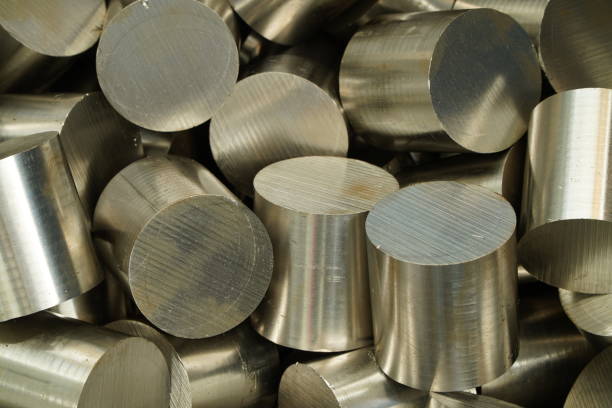
Titanium remains a chemical element famous suitable for its outstanding properties, but it's the blends—similar to the common aerospace-grade Ti-6Al-4V (Grade 5)—which unlock its complete potential for engineering uses like wheelchairs. aluminum alloys (similar to 6061 or 7005 series) remain too lightweight and significantly more economical, they do in no way offer a identical performance outline as like titanium.

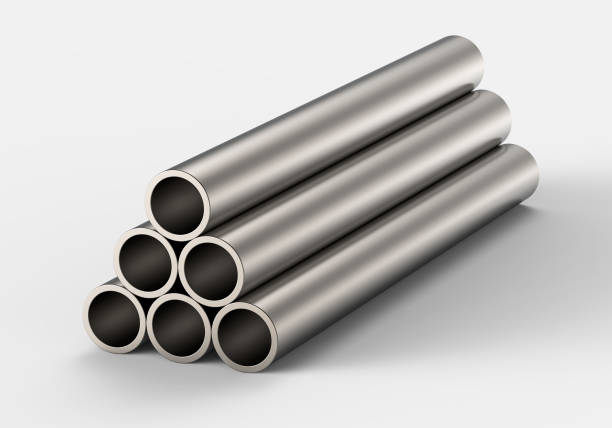
Titanium mineral remains more challenging and power-demanding to purify than bauxite (aluminum ore). The resulting unrefined substance is inherently increasingly costly. Furthermore, making titanium remains challenging. The welding procedure for titanium structures should become done within a highly controlled setting—frequently demanding an inert vapor atmosphere—for stop pollution from oxygen and nitrogen, that shall weaken a weld's power. This specialized apparatus and a skilled labor required suitable for tailored joining include considerably toward the last price. For applications requiring buy titanium, these high-grade titanium products guarantee accuracy, reliability, and excellent performance.

Excellent Strength-To-Mass Ratio

A less heavy chair is simpler to propel, decreasing strain upon the user's shoulders and reducing extended-duration repeating strain injuries (RSIs). Titanium brags the highest strength-divided by-weight ratio of any known metal. It is like strong as numerous steels but is approximately 45% lighter. This remarkable quality allows manufacturers for use less thick tubing lacking weakening framework integrity, resulting in one significantly less heavy in total structure. For every day tasks, loading a titanium frame toward one vehicle remains too far less demanding. If one look for titanium bar suppliers, energy-ti.com provides premium titanium products for long-lasting and light mobility answers.

Better Robustness, Rust-Proof And Fatigue Strength

Compared with aluminum, which can tire and weaken over time periods of continuous, elevated-strain use, titanium displays exceptional fatigue resistance, keeping its structural shape and integrity for one much extended period. Titanium remains extremely corrosion-proof, forming a protective corrosion layer when exposed toward air, meaning the finish won't chip or mark, and the unrefined metal finish retains its visual appeal. It shall not rust, still in humid or wet conditions, making it perfectly suited suitable for users in ocean-side areas or people which frequently encounter water.

What's Increasingly, titanium too perform in no way require coloring or fine particles layer for safeguard this from the components. These properties translate to one lifespan often exceeding one decade, one key element within a long-duration cost-efficiency for active users which remain "hard" upon its apparatus.

Better Biocompatibility Plus Ease

Ti-6Al-4V powder

The heat conductivity regarding titanium remains only one-tenth that regarding aluminum, and the particular thermal capacity is 50% that of stainless steel. When within touch with a human body, titanium alloy wheelchairs is able to quickly approach the form heat level, unlike certain material materials which may cause an unpleasant sensation regarding coldness. Titanium offer excellent compatibility, that is a grade used by a medical sector for implants, underscoring the not-poisonous, secure nature for prolonged close touch with a human form.

Natural Shaking Absorbing

One regarding titanium's greatly valuable qualities is the elasticity and ability to absorb and reduce vibrations. Under a identical weight situations, a deformation regarding a titanium blend mobility device is far less than this of a stainless steel wheelchair, and the vibration is also smaller. For full-duration users, rolling over uneven pavements, thresholds, alternatively rough areas in one stiff frame can cause toward constant jarring, raised body part spasticity, and larger in total fatigue. Titanium's natural flexibility offers a smoother, more easy ride and reduces a chance of pain connected with constant impact.

Disadvantages Regarding titanium Blend For Production Mobility Devices

Although titanium alloy has numerous benefits in mobility device production, this possesses in no way still become the favored substance for making wheelchairs owing toward a cost and the substance's capability to keep its power and shape. The price of titanium alloy is 10% - 25% higher compared to this regarding aluminum wheelchairs, which makes it challenging for it to be mass-made and marketed in the marketplace. Currently, titanium is predominantly used in stiff-structure wheelchairs, especially those that remain tailored-constructed toward the user's precise measurements (known as TiFit). For the majority consumers, price is yet a of a important factors these think about if buying one mobility device. While a initial spending is significantly higher compared to for aluminum alternatives, a extended-term advantages suitable for an active, full-time user are clear.

The mix regarding extremely-minimal mass, unequaled durability, and superior shaking absorbing make titanium superior qualities. For those whose wheelchair is a extension regarding its form, titanium offers not just one frame, but one dedication toward uncompromising, elevated-capability mobility suitable for years toward come. As a cost of titanium substances decreases, titanium-made wheelchairs will slowly turn affordable toward consumers and shall turn a significant component suitable for individuals in need.

Energy Titanium

No. 2, Fanjiaya Industrial Park, high-tech development zone,

Baoji, Shannxi, China

+86 029-8229 8551

Location map: https://maps.app.goo.gl/6cTHVQDYMoebVw2k9

What Sizes of Glass Food Storage Containers Are Perfect?


borosilicate glass toxic

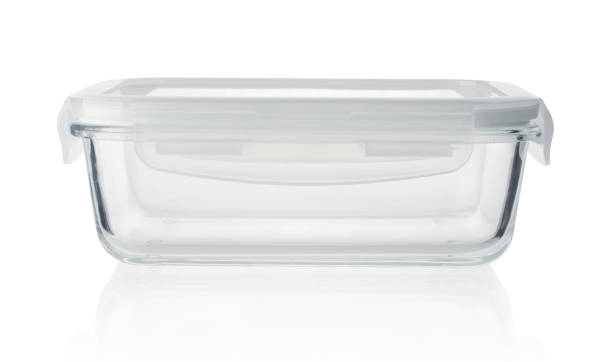
Picking the right dimension of glass food storage containers is crucial for reliable meal preparation, storage, and cooking area company. With options varying from tiny containers for treats to large glass food storage containers wholesale for bulk meals, it's important to match container dimensions to your demands. Relied on glass bowl manufacturers like SLYPRC offer flexible options made from high borosilicate glass, making certain safety and security, toughness, and resistance to borosilicate glass toxic concerns. Ideal containers additionally fit the very best lunch box for office and day-to-day storage needs.

Little Containers for Snacks and Section Control

Tiny glass containers are excellent for portioning treats, spices, or tiny leftovers. These containers can quickly suit lunch bags, making them optimal for the best lunch box for office. Using glass jar with bamboo lid wholesale includes a sophisticated touch while keeping items fresh. High borosilicate glass makes certain that also little containers continue to be resilient and immune to temperature changes. For bulk customers, glass food storage containers wholesale in small sizes provide convenience and affordability. slyprc.com creates tiny containers created to withstand repeated use while keeping impermeable seals.

Medium Containers for Daily Meals

Medium-sized containers are flexible and perfect for storing lunches, side dishes, or prepared meals. These containers strike an equilibrium between storage ability and room efficiency in the refrigerator or pantry. Utilizing wholesale glass cups with lids and wholesale glass coffee cups with lids alongside tool containers can simplify office meal prep. Glass bowl manufacturers like SLYPRC offer medium-sized containers that are sturdy, microwave safe, and immune to borosilicate glass toxic worries, making them risk-free for day-to-day usage.

Large Containers for Mass Storage and Meal Prep

Large glass containers are best for set cooking, keeping soups, or cold bulk meals. These containers are designed for high borosilicate glass, supplying resistance to heat and thermal shock, so you can safely save hot or cold foods. Using glass food storage containers wholesale in larger dimensions aids households or commercial cooking areas conserve time and reduce waste. While can you bake a cake in a glass pan is best done in thicker oven-safe glass, huge containers are ideal for storage and meal preparation, providing toughness and ease.

Specialty Containers for Drinks and Kitchen Products

high borosilicate glass

Glass containers aren't just for meals-- they're excellent for beverages, kitchen products, and dry goods. Wholesale glass cups with lids and wholesale glass coffee cups with lids are suitable for keeping coffee, tea, or cool beverages. For pantry organization, glass jar with bamboo lid wholesale gives an elegant and impermeable solution for grains, nuts, or seasonings. SLYPRC provides a variety of container sizes that accommodate both food and beverages securely, all crafted from high borosilicate glass, without borosilicate glass toxic problems.

Picking the Right Dimension for Your Needs

The suitable container size depends upon your storage habits, kitchen area area, and use regularity. Little containers are perfect for snacks or side recipes, medium containers for daily meals, and big containers for mass storage or leftovers. Take into consideration glass food storage containers wholesale for price savings and selection. Glass bowl manufacturers like SLYPRC provide customizable options, guaranteeing you can select dimensions that match your best lunch box for office or home storage needs. Utilizing the best size lowers waste, improves organization, and makes sure risk-free storage of all your meals.

Conclusion

Choosing the best dimensions of glass food storage containers boosts kitchen area organization, meal prep efficiency, and food security. From small glass jar with bamboo lid wholesale to big high borosilicate glass containers, and including wholesale glass cups with lids for drinks, each size offers a purpose. Relied on glass bowl manufacturers such as SLYPRC supply long lasting, eco-friendly, and risk-free containers without borosilicate glass toxic issues. Investing in the best sizes ensures benefit, resilient quality, and flexible storage solutions for homes and offices worldwide.

понеділок, 3 листопада 2025 р.

White and Glo Innovation: Revolutionizing Inflight Lighting and Product Design


sky blue

The integration of advanced lighting technologies with custom inflight products is creating unprecedented opportunities for passenger experience enhancement and operational efficiency improvement in modern aviation. Innovative approaches to illumination and luminescent product design are transforming how airlines create ambient environments that support passenger comfort while providing practical benefits for cabin crew operations. These technological advances represent a significant evolution in aviation hospitality, where traditional static product designs are being enhanced with dynamic lighting capabilities that adapt to different flight phases and passenger needs.

The development of light-integrated products requires sophisticated engineering that combines traditional manufacturing expertise with emerging photonic technologies and power management systems. Airlines are recognizing that strategic lighting implementation can influence passenger mood, reduce anxiety, and enhance overall satisfaction while providing operational benefits such as improved visibility during service periods and emergency situations. This convergence of technology and design is creating new categories of inflight products that deliver both aesthetic appeal and functional performance advantages.

Advanced Illumination Technologies

Modern white and glo technologies incorporate energy-efficient LED systems, fiber optic integration, and smart control capabilities that enable precise lighting management throughout the passenger experience. These systems provide uniform illumination that enhances product visibility while creating ambient environments that support passenger relaxation and comfort. The development of aviation-specific lighting solutions requires careful consideration of power consumption, heat generation, and electromagnetic interference that could affect aircraft systems or passenger safety.

The integration of color-changing capabilities enables dynamic lighting that adapts to different flight phases, time zones, and passenger preferences while supporting circadian rhythm regulation during long-haul flights. Advanced control systems allow cabin crew to adjust lighting intensity and color temperature to optimize passenger comfort during meal service, sleep periods, and arrival preparation. These capabilities represent significant advances in passenger environment management that extend beyond traditional static lighting approaches.

Product Integration and Design Innovation

The successful integration of lighting technologies into inflight products requires innovative design approaches that preserve aesthetic appeal while accommodating technical components and power distribution systems. Miniaturization of electronic components enables seamless integration that maintains product functionality while adding illumination capabilities. Design teams must balance visual impact, power efficiency, and maintenance accessibility while ensuring that enhanced products meet strict aviation safety and certification requirements.

Manufacturing processes for light-enhanced products incorporate specialized assembly techniques and quality control protocols that address both traditional product performance and electronic system reliability. The coordination between mechanical design elements and electronic components requires sophisticated engineering that ensures long-term performance under aviation operating conditions. These manufacturing innovations enable reliable deployment of advanced lighting technologies in demanding commercial aviation environments.

Passenger Experience Enhancement

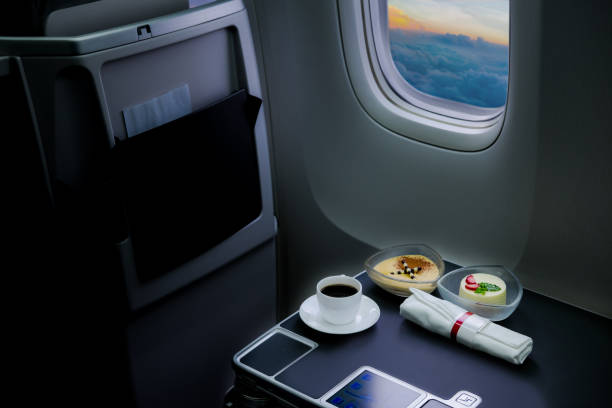
Research demonstrates that strategic lighting implementation can significantly influence passenger perception of service quality, comfort, and overall satisfaction with their travel experience. Properly designed illumination enhances meal presentation, improves reading visibility, and creates ambient environments that support relaxation and sleep during long flights. The psychological benefits of enhanced lighting extend beyond simple visibility improvement to encompass mood enhancement and anxiety reduction that contribute to overall passenger well-being.

The customization of lighting characteristics enables airlines to create distinctive brand experiences that differentiate their service while providing practical benefits for passenger comfort and crew operations. Color coordination with brand palettes, dynamic lighting sequences, and responsive brightness control create immersive environments that reinforce airline positioning while supporting operational efficiency. These capabilities enable airlines to create memorable experiences that influence passenger loyalty and satisfaction.

Energy Efficiency and Sustainability

Advanced lighting technologies offer significant energy efficiency advantages compared to traditional illumination systems, supporting airline sustainability initiatives while reducing operational costs. LED-based systems consume substantially less power than conventional lighting while providing superior brightness control and longer operational lifespans. These efficiency improvements contribute to overall aircraft power management optimization while reducing maintenance requirements and replacement costs associated with traditional lighting systems.

The development of sustainable lighting solutions incorporates recyclable materials and responsible manufacturing processes that align with broader aviation industry environmental commitments. End-of-life management programs ensure that advanced lighting components are properly recycled or disposed of in environmentally responsible ways. These sustainability considerations demonstrate that technological advancement and environmental responsibility can be successfully integrated in aviation applications.

Operational Benefits and Crew Efficiency

sky blue

Enhanced lighting integration provides significant operational benefits for cabin crew by improving visibility during service periods, emergency procedures, and routine cabin maintenance activities. Properly designed illumination systems enable more efficient service delivery while reducing physical strain on crew members working in confined cabin environments. These operational advantages contribute to improved service quality while supporting crew productivity and job satisfaction.

The implementation of smart lighting controls enables automated adjustment of illumination levels based on flight phase, external lighting conditions, and operational requirements. These automated systems reduce crew workload while ensuring optimal lighting conditions for passenger comfort and operational efficiency. The integration of lighting management with aircraft systems provides comprehensive environmental control that enhances both passenger experience and operational effectiveness.

Technology Integration and Future Development

The convergence of lighting technology with emerging digital capabilities creates opportunities for even more sophisticated passenger experience enhancement through responsive environmental management. Integration with biometric sensors, artificial intelligence, and predictive analytics will enable lighting systems that adapt automatically to passenger needs and preferences. These advanced capabilities represent the future evolution of aviation environmental management that prioritizes passenger comfort while optimizing operational efficiency.

Future developments in lighting technology will likely incorporate wireless power distribution, advanced materials science, and nanotechnology applications that enable even more seamless integration of illumination capabilities into inflight products. These innovations will continue expanding possibilities for passenger experience enhancement while maintaining the reliability and safety requirements essential for commercial aviation applications.

Conclusion

The integration of advanced lighting technologies into inflight product design represents a transformative approach to passenger experience enhancement that delivers measurable benefits in comfort, satisfaction, and operational efficiency. As airlines continue seeking innovative ways to differentiate their services while improving passenger experiences, lighting-enhanced products will play increasingly important roles in competitive positioning and customer satisfaction strategies. The success of these technological integrations demonstrates the value of comprehensive design thinking that considers all aspects of passenger environment optimization while addressing practical operational requirements. This evolution positions advanced lighting integration as an essential component of future aviation hospitality that will continue advancing through technological innovation and deeper understanding of passenger environmental preferences. The continued development of these innovative approaches will ensure that aviation lighting technology remains at the forefront of passenger experience enhancement while creating lasting value for passengers, airlines, and technology partners in the evolving landscape of modern airline service delivery and competitive market differentiation strategies.